Pay Yourself the Premium: A 2026 Boiler Repair Pot Audit
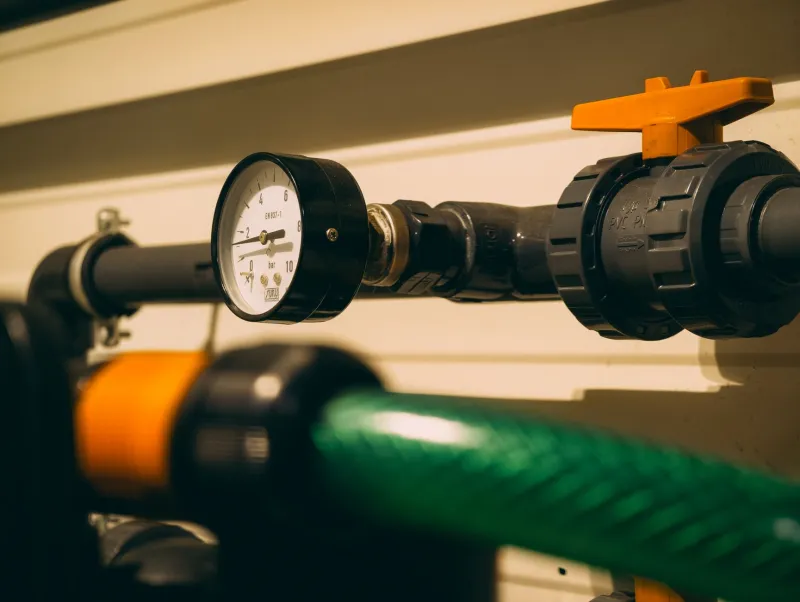
A cold snap has a way of finding the weakest part of a household budget. One morning the heating stays lukewarm, the pressure gauge has dropped, and a Gas Safe engineer is suddenly quoting £95 just to walk through the door. That is the moment boiler cover adverts are written for. But is another monthly direct debit really the answer, or would a dedicated repair pot do the same job with fewer get-outs?
What a monthly policy actually covers
Home emergency cover and boiler cover are often sold side by side, but they are not the same product. A boiler policy usually covers repairs to the boiler and controls, sometimes radiators and pipework, and occasionally an annual service. Home emergency cover may stretch to plumbing, drains and electrics, usually with a cap per claim and a separate excess.
In 2026, typical boiler cover runs from about £15 to £40 a month, so £180 to £480 a year. There is often a £50 to £100 excess. Some policies cap parts at £500 or £1,000, and labour may be capped too. Compare that with real-world costs: a one-off callout is commonly £80 to £150; a pump or fan replacement might be £150 to £500; a heat exchanger can push £500 to £900; and a full replacement is usually £2,500 to £4,000 depending on the system and property.
So the policy is not silly. The question is whether you are buying protection you will actually use, or paying for a promise that shrinks when you need it.
The exclusions that decide the argument
The small print matters more than the headline monthly price. Common exclusions include sludge and scale, lack of annual servicing, pre-existing faults, accidental damage and boilers above a certain age. Seven and ten years are common cut-offs, and some insurers simply refuse older boilers or raise the excess.
That matters if your boiler is 12 years old. A £30 monthly policy may not replace it. It may only repair it, offer a contribution, or decline the claim because parts are unavailable. Check parts caps, claim limits, whether you must use the insurer's engineer, and whether the annual service is included or an optional extra. A policy that includes a service can be better value than it looks, because a service alone often costs £80 to £120.
Running the repair-pot numbers
A repair fund is simple: you pay yourself the premium instead of paying an insurer. Put £40 a month into a named savings account and after a year you have £480. After three years you have £1,440 before interest. That will not cover a new boiler, but it covers most mid-life repairs and gives you choices about who does the work.
Suppose cover costs £30 a month, or £1,080 over three years, with an £80 excess. If you make one £500 claim in that time, you have paid £1,160 to cover a £500 repair. The repair pot would have £1,440, pay the £500, and still hold £940. If you make no claim, the gap is even wider.
That does not make cover pointless. It makes it a cashflow product as much as a repair product. The fund only wins if you actually leave it alone. A pot that gets raided for Christmas or a car service is not a repair fund; it is a vague intention.
When the direct debit still earns its keep
Cover can be reasonable if a £600 surprise would go on a credit card, if you have a complex system, or if you know you would never book an annual service without the nudge. For some households, the predictable monthly payment is the point. The policy turns a lumpy risk into a small recurring cost.
It is weaker value if your boiler is new and still under warranty, if you already have a healthy emergency fund, or if the policy excludes the most likely faults. Age limits and sludge exclusions are where many claims fail. Buying cover and then skipping the service is the worst of both worlds: you pay the premium and hand the insurer a reason to decline.
A simple 2026 decision test
Ask four questions. How old is the boiler, and is it still under warranty? Do you have a service record? Could you absorb a £600 repair without borrowing? And what are the parts cap, labour cap and age limit on the policy?
If the boiler is young, serviced, and you have at least £1,000 set aside, a repair pot is usually the calmer option. If the boiler is older, the policy may still help with smaller repairs, but do not assume it will fund a replacement. If you have no buffer at all, cover can be a bridge, but only after you have read the exclusions properly.
A hybrid route often works best: keep a £1,000 boiler pot, book a service every year, and buy cover only if the policy adds something you genuinely value, such as an included service or emergency response. Set up a standing order to your own savings account on payday. Name the account something boring and specific. Then leave it alone until the pressure gauge drops.