The Quiet Cost of Standing Still: A 2026 Household Switching Check-Up
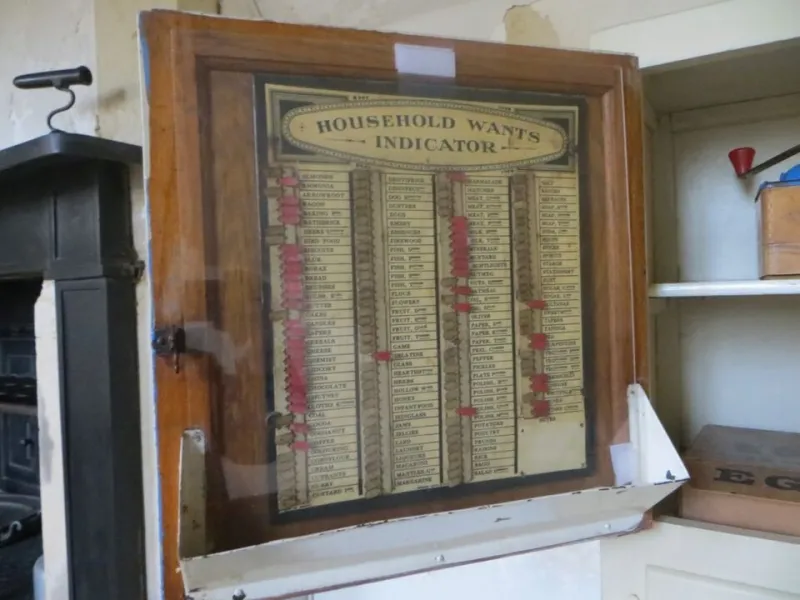
Photo: Bill Nicholls , CC BY-SA 2.0, via Wikimedia Commons
Most households do not lose money to one dramatic mistake. They lose it in small, repeating gaps: the renewal quote that is a bit too high, the mobile contract that drifted out of its minimum term, the savings account that was competitive two years ago. Call it the loyalty tax if you like. It is not a real tax, and it is not automatic. But in 2026 it is still worth auditing because the gap between 'good enough' and 'best comparable deal' can add up to a useful sum.
Why staying put can cost more
Companies spend heavily to win new customers. Existing customers are cheaper to keep, and inertia is a powerful business model. In savings, older accounts can sit on lower rates while new issues get the headline AER. In broadband and mobile, out-of-contract customers can pay more than those on introductory deals. In home insurance, pricing rules have narrowed some of the worst renewal gaps, but add-ons, excess levels and like-for-like cover still need checking.
None of this means loyalty is always punished. A good insurer, a reliable broadband connection or a savings account you actually use can be worth keeping. The point is to make staying put a decision, not a default.
A 12-month switching calendar
Use the calendar as a prompt, not a rigid timetable. The best switching date is usually a few weeks before a renewal or contract end date.
January — build the map. List every household contract: home insurance renewal, broadband end date, mobile minimum term, savings account maturity and any regular payments linked to them. Put the dates in a calendar with a two-week warning.
February — savings rate check. Compare your easy-access and notice accounts with current market rates. Include cash ISAs if you pay tax on savings interest. A one-point gap on £10,000 is £100 a year before tax.
March — home insurance quote window. Start comparing three weeks before renewal. Use the same buildings sum insured, contents limit and excess. Check whether the cheaper quote is actually like-for-like.
April — mobile contract audit. If you are out of contract, you are probably paying for a handset you have already paid for. Compare SIM-only deals using your actual data use, not a scare number.
May — broadband check. Look up your contract end date and early termination charge. Compare fibre deals at your postcode. If you are out of contract, ask for the current customer price.
June — haggle window. Call your broadband and mobile providers before switching. Use the script below. If the offer is not competitive, switch.
July — savings review. If you have a fixed-rate savings account maturing, shop the whole market. Do not auto-renew into a lower rate.
August — insurance add-ons. Review home insurance extras: legal cover, home emergency, accidental damage. Keep what you would actually claim for; drop the rest.
September — mobile data review. Check your usage. If you are paying for 100GB and using 12GB, move down a tier.
October — broadband renewal. Start the switching process early. Installation dates can slip.
November — home insurance renewal. Repeat the March check. Do not accept the first renewal quote.
December — worksheet review. Add up what you saved, what you switched and what you kept. Set next year's warning dates.
Negotiation scripts that do not sound like a script
Keep it short and factual. You are not asking for a favour; you are testing the market.
Broadband: 'I am out of contract and comparing options. My current price is £X a month. Can you put me on your current customer price, or I will switch?'
Mobile: 'I have seen a comparable SIM-only deal at £X a month. I use about YGB of data. What can you do to keep my business?'
Home insurance: 'My renewal is £X. I have a like-for-like quote at £Y with the same buildings and contents cover. Can you review the premium or check whether I am paying for add-ons I do not need?'
Savings: There is usually no one to negotiate with. Vote with your feet. Check the AER, access rules, withdrawal penalties and protection limits.
The cost-of-staying-put worksheet
Use a simple table. For each item, write the current annual cost, the best comparable annual cost, the difference, the switching effort and the deadline.
| Item | Current annual cost | Best like-for-like annual cost | Annual gap | Effort | Deadline | | Home insurance | £ | £ | £ | Low/Medium/High | | | Broadband | £ | £ | £ | Medium | | | Mobile | £ | £ | £ | Low | | | Savings interest | £ | £ | £ | Low | |
Then apply a sanity check: cost of staying put = current annual cost minus best comparable annual cost, minus any switching costs and lost benefits. Divide by 12 to see the monthly impact. A £240 annual gap is £20 a month — not dramatic, but not nothing either.
Do not switch for switching's sake
Check exit fees, early repayment charges, loss of a good insurer, broadband reliability and savings withdrawal penalties. If switching takes three hours to save £12, that may not be the best use of a Sunday. If it takes 20 minutes to save £180, it probably is.
The loyalty tax is best treated as a recurring audit, not a one-off crusade. Put the dates in your calendar, run the scripts, and let the worksheet decide. In 2026, the households that do well are not necessarily the ones that switch everything. They are the ones that know what staying put is costing them.