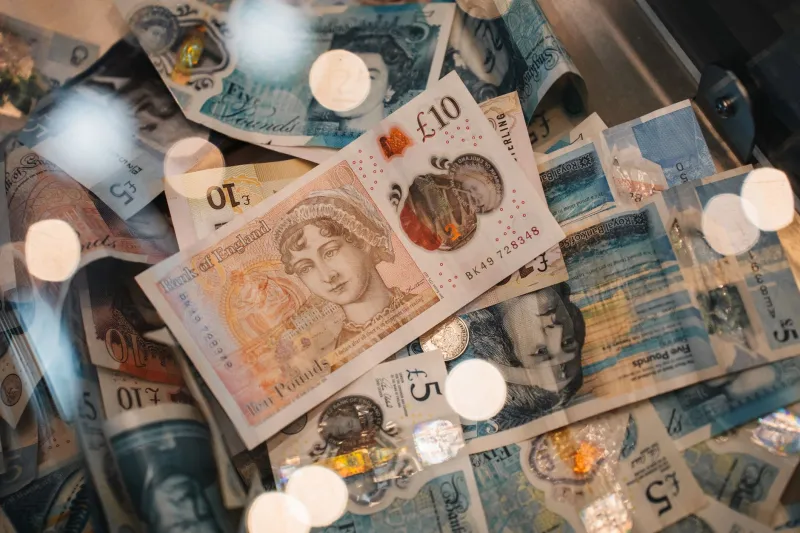
The Median Prize Nobody Frames: Premium Bonds vs a Cash ISA at £1k, £10k and £50k
Photo: Mtaylor848, CC BY-SA 4.0, via Wikimedia Commons
Premium Bonds have a clever marketing trick: they make saving feel like a Saturday night draw. A Cash ISA has the opposite charm — it promises a rate and then quietly pays it. Neither product is wrong. But when households ask whether to park £1,000, £10,000 or £50,000, the answer often gets lost between the prize-fund headline and the actual median experience.
The headline rate is not your rate
NS&I publishes a prize-fund rate for Premium Bonds. That figure is the total prize pool as a percentage of all bonds in the draw. It is not a personal return, and it is not paid to you as interest. The pool includes the big prizes, so the average is pulled upwards by rare jackpots. Your own result is a distribution: many small prizes, occasional larger ones, or — at smaller balances — a fair chance of nothing at all.
A Cash ISA is more literal. If it pays 4% AER, £10,000 earns roughly £400 over a year before compounding, assuming the rate stays put. Variable rates can fall, and fixed rates lock your money away, but the starting promise is at least a promise. With Premium Bonds, the published prize-fund rate tells you something about the draw, not what your £10,000 will do.
What the odds feel like at three balances
At the time of writing, the published odds are around 21,000 to 1 per £1 bond per month — check the current NS&I figures before acting. Those odds are the same for every bond, but the experience changes sharply with scale.
£1,000. You hold 1,000 bonds. The expected number of prizes in a year is modest — well under one. Most years you will win nothing, and a win is likely to be £25 or £50. Premium Bonds are not useless at this level, but they are not a savings strategy either. They are a capital-safe lottery ticket with a tax perk.
£10,000. Now the draw starts to feel real. You might pick up several small prizes across the year, but the total can still land below a decent Cash ISA rate. The median outcome is less exciting than the mean, because a handful of winners collect much larger prizes. If you would be irritated by a year of £25 wins while your neighbour’s ISA quietly paid £400, this is the balance where that irritation is most likely.
£50,000. This is the maximum holding, and it is where Premium Bonds look most sensible. The prize flow is smoother, and the tax-free status is meaningful for higher-rate taxpayers who have used their Personal Savings Allowance. But smoother is not guaranteed. You can still have a below-ISA year, and the prize values are not within your control.
Access, tax and safety
Premium Bonds are capital-safe: 100% of your stake is backed by the Treasury, though they are not covered by the Financial Services Compensation Scheme in the same way as a bank deposit. Withdrawals usually take a few working days. Prizes are tax-free and do not need to be declared.
A Cash ISA is also tax-free, and eligible deposits are protected by FSCS up to £85,000 per person per provider — £170,000 for a joint account. Easy-access ISAs can be withdrawn from quickly, though some accounts restrict withdrawals or cut the rate afterwards. The annual ISA allowance is £20,000, so a £50,000 Cash ISA holding usually means transferring previous ISA money rather than subscribing fresh in one tax year.
The three-balance decision framework
For £1,000: sort the emergency fund first. A Cash ISA or easy-access savings account should hold money you might need for a boiler, a car repair or a short gap in income. If you already have a comfortable cushion and want a bit of fun, £1,000 in Premium Bonds is harmless — just do not call it your savings plan.
For £10,000: ask whether certainty or upside matters more. If you need the interest to be predictable, use the Cash ISA. If you are a higher-rate taxpayer who has used the Personal Savings Allowance, and you can shrug off a below-average year, a split — say £7,000 in cash and £3,000 in Premium Bonds — keeps most of the certainty while giving the draw a go.
For £50,000: Premium Bonds become a genuine contender, especially if tax on savings interest is a live issue and you value Treasury-backed capital safety. But do not max them out with money you need on a fixed date. A house deposit, tax bill or wedding fund belongs somewhere you can count to the penny. A Cash ISA — easy access or fixed — is the better fit when the date matters more than the dream.
A simple test before you choose
Is this emergency money? Use a Cash ISA or easy-access account. Do you need a known sum on a known date? Use cash. Have you used your Personal Savings Allowance? If not, ordinary savings accounts may beat both on rate. Can you tolerate a year with no prize or a below-ISA return? If not, Premium Bonds are the wrong tool. Are you already using your £20,000 ISA allowance? If not, the tax-free certainty of a Cash ISA is hard to beat for core savings.
Premium Bonds are not really a rates product. They are a capital-safe draw with a tax wrapper. A Cash ISA is a certainty product with a tax wrapper. For most UK households in 2026, the boring answer wins on sleep: keep the core in cash, and treat Premium Bonds as the slice you can afford to be curious about.